Variation in Game Selection as a Basis for Responsible Gambling


Variation in Game Selection as a Basis for Responsible Gambling
When people talk about responsible gambling, the focus often falls on spending limits, self-exclusion tools, and awareness campaigns. Yet one important factor is frequently overlooked: the variety of games available. The range and design of games offered can significantly influence player behavior. A diverse and well-balanced game selection can actually support responsible gambling by giving players the opportunity to choose experiences that fit their mood, time, and budget.
Why Variety Matters
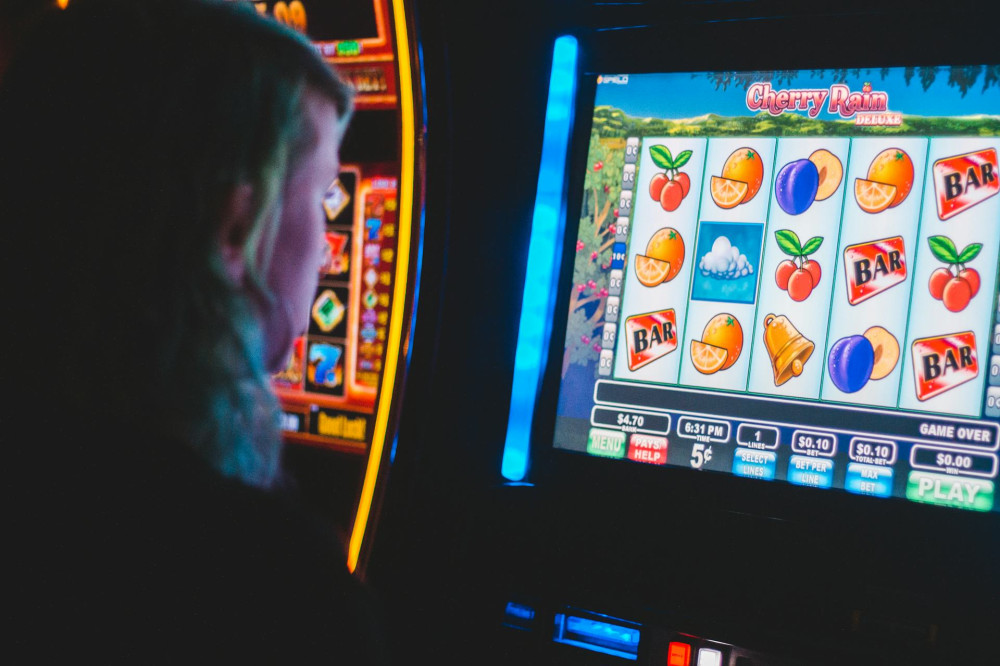
A narrow game selection dominated by fast-paced, high-intensity games can increase the risk of problematic play. Games with short rounds and frequent rewards—such as certain slot machines or instant-win games—can create a rhythm that makes it difficult to take breaks. In contrast, games that require strategy, patience, or social interaction can encourage a more balanced experience.
When players have access to a variety of game types—from traditional table games and sports betting to trivia-based or skill-oriented games—they can choose the pace and level of engagement that suits them best. This diversity helps foster a healthier gambling culture, where entertainment and mindfulness go hand in hand.
Game Types and Their Influence on Behavior
Research on gambling behavior shows that different types of games appeal to different psychological needs:
- Fast-paced games such as digital slots and scratch cards provide instant excitement but can also lead to impulsive play.
- Strategic games like poker or blackjack require planning and reflection, which can slow down the pace and promote self-control.
- Social games, whether online or in-person, can create a sense of community and make the experience less isolating.
- Long-form games such as tournaments or seasonal campaigns allow players to plan their participation and set limits over time.
By offering a balanced mix of these types, operators can support responsible gambling without diminishing the entertainment value.
Læs også:



Design and Transparency as Part of Variation
Variation is not only about the number of games but also about how they are presented. A responsible game portfolio should be transparent: players should easily find information about game rules, odds, and average payout percentages. When players understand what they are engaging with, they can make more informed choices.
Platform design also plays a role. Clear categories that distinguish between fast-paced and strategic games can help players navigate according to their preferences and current mindset. This makes it easier to select games that match the time and attention they want to invest.
Variation as a Tool to Prevent Overconsumption
A varied game selection can act as a natural safeguard against excessive play. When players switch between different types of games, the repetitive rhythm that often leads to loss of time awareness is interrupted. Just as variety in daily activities promotes balance, variation in gaming can help maintain a healthy relationship with play.
Operators who actively promote this kind of variation send a strong message that they care about player well-being. This not only builds trust but can also lead to more loyal and satisfied customers in the long run.
A Shared Responsibility
Responsible gambling is not solely about individual choices—it also depends on the environment that operators create. A diverse game selection is part of that environment, serving as a tool that helps players find a healthy balance between enjoyment and control.
When variation is combined with clear information, self-limiting tools, and a culture that encourages mindful play, it becomes possible to build a gambling landscape where fun and responsibility truly coexist.
Læs også: