The House Edge Explained – and Why It Matters for Your Strategy


The House Edge Explained – and Why It Matters for Your Strategy
Whenever you play at a casino—whether it’s on the Las Vegas Strip or on your favorite online platform—there’s one concept you should always keep in mind: the house edge. It’s the built-in statistical advantage that ensures the casino earns a small profit over time. But what does that really mean, and how can understanding it help you make smarter decisions when you play?
What Is the House Edge?
The house edge is a percentage that represents how much of every wager the casino expects to keep as profit in the long run. It doesn’t predict what will happen in a single session, but rather how the math behind each game is designed to favor the house over thousands of plays.
For example, if a game has a house edge of 2%, that means the casino expects to earn $2 for every $100 wagered. It might not sound like much, but over millions of bets, that small percentage adds up to a steady and reliable profit.
Læs også:



Why Does the House Edge Exist?
Casinos are businesses, and the house edge is how they stay profitable while still paying out winnings. Without it, casinos would risk breaking even—or losing money—if players had equal odds.
That doesn’t mean the games are “rigged.” The house edge is built into the rules and odds of each game, and it’s usually well known. Some games give players much better chances than others, which is why understanding the numbers can make a big difference.
Examples of the House Edge in Popular Casino Games
The size of the house edge depends on the game and its specific rules. Here are some typical examples you’ll find in U.S. casinos:
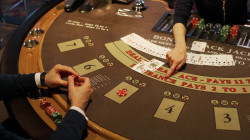
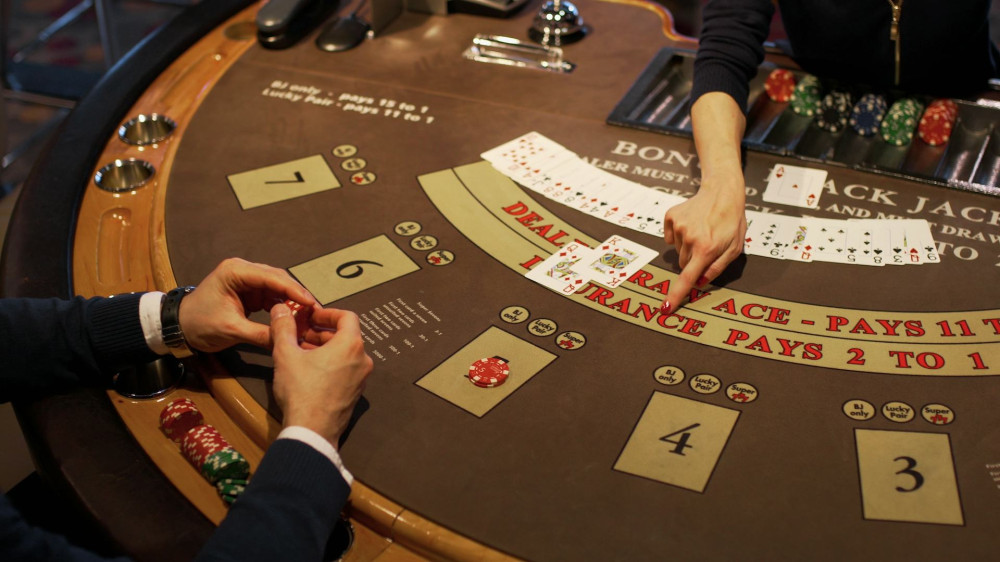
- Blackjack: 0.5–2% – varies depending on the rules and how well you play. With perfect basic strategy, you can reduce the edge to under 1%.
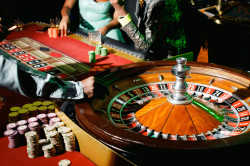
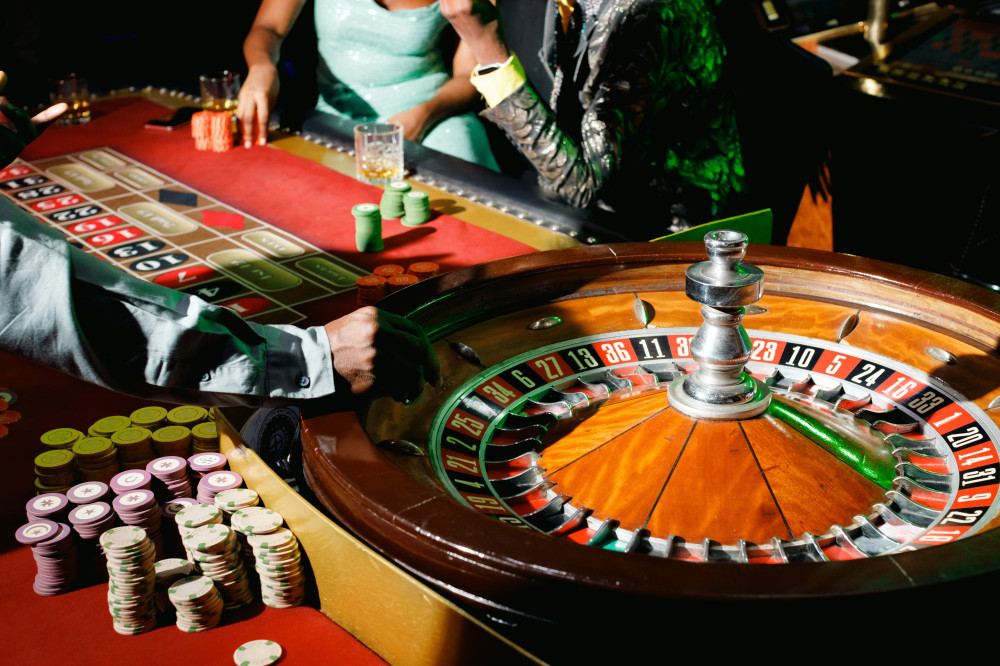
- Roulette: 5.26% on the American wheel (because of the extra double zero). The European version, which is less common in the U.S., has a lower edge of 2.7%.
- Craps: 1–5% – depends on which bets you make. Some bets, like the Pass Line, have a very low edge.
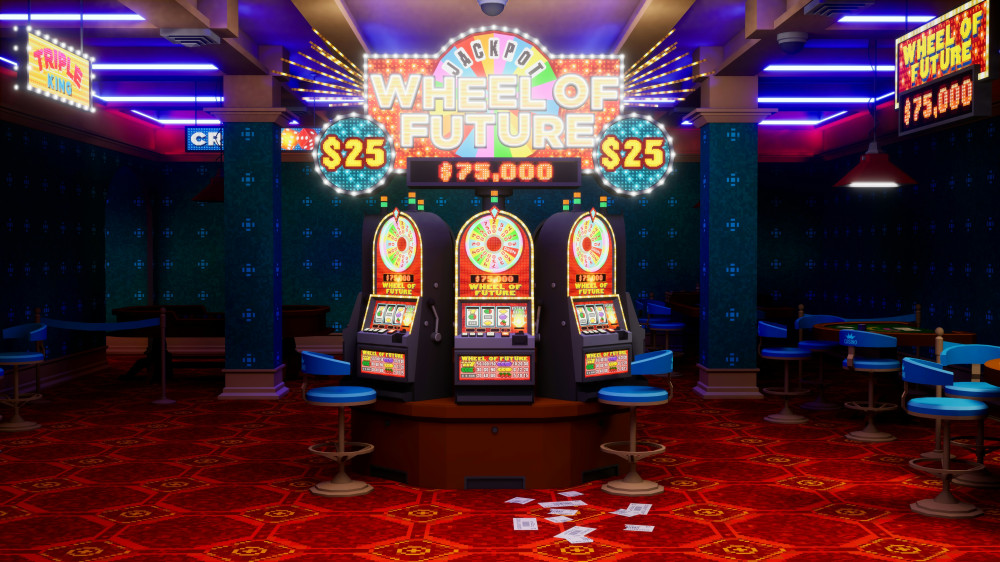
- Slot machines: 4–10% – varies widely by machine and casino. Online slots often have slightly better returns than physical ones.
- Baccarat: Around 1% on the banker bet, slightly higher on the player bet.
As you can see, the difference between games is significant. If you want the best odds, it pays to choose games with a lower house edge.
What It Means for Your Strategy
Understanding the house edge isn’t just about knowing the math—it’s about using that knowledge to play smarter. Here’s how you can apply it:
- Choose games with a low house edge. Blackjack, baccarat, and certain bets in craps give you better long-term chances.
- Learn the rules and strategies. In skill-based games like blackjack, using the correct strategy can dramatically reduce the house’s advantage.
- Avoid side bets and “bonus” wagers. They often look exciting but usually come with a much higher house edge.
- Think long-term. Even small differences in the house edge matter over time. A 1% edge is far better than a 5% one.
- Play for entertainment, not profit. The house edge means the casino will always win in the long run. Treat your play as paid entertainment, not an investment.
Myths and Misconceptions
Many players believe they can “beat” the house edge with luck, betting systems, or intuition. But the math behind the games doesn’t bend. You might win in the short term, but over time, the numbers always favor the house.
Another common misconception is that casinos manipulate outcomes. In reality, both land-based and regulated online casinos in the U.S. are subject to strict oversight and random testing. The edge comes from the game design itself—not from cheating.
Using the House Edge to Your Advantage
Knowing about the house edge doesn’t mean you should avoid casinos altogether. In fact, it can make your experience more enjoyable because you understand what’s really happening behind the scenes. You can use this knowledge to:
- Set realistic expectations. You’re playing for fun, not guaranteed profit.
- Stretch your bankroll. Choosing games with a lower edge gives you more playtime for the same money.
- Play responsibly. When you know the odds, it’s easier to set limits and avoid chasing losses.
A Natural Part of the Game
The house edge isn’t your enemy—it’s simply part of how casino games work. It allows casinos to operate, pay staff, and keep the lights on, while giving players a fair chance to win in the short term. When you understand the numbers, you can make smarter choices, play with confidence, and enjoy the experience for what it is.
So next time you sit down at a table or spin the reels online, remember: the house always has an edge—but knowledge is your best advantage.
Læs også: