From Classic Table Games to Digital Worlds: The Evolution of Casino Gaming


From Classic Table Games to Digital Worlds: The Evolution of Casino Gaming
From smoky card rooms to immersive digital platforms, casino gaming has undergone a remarkable transformation. What once required a trip to a glamorous resort or a local card hall is now accessible from a smartphone or laptop anywhere in the country. But how did we get here, and what does this evolution say about how Americans play and experience games of chance?
From Salons and Riverboats to the Neon Lights of Las Vegas
Casino gaming traces its roots back to 17th-century Europe, where aristocrats gathered around tables for games of cards and dice. When gambling crossed the Atlantic, it found a new home in the saloons and riverboats of 19th-century America. Poker, blackjack, and roulette became staples of frontier entertainment, blending risk with social interaction.
The 20th century brought a new era with the rise of Las Vegas and Atlantic City. These cities turned gambling into a full-fledged entertainment industry, complete with live shows, fine dining, and luxury hotels. The casino experience became about more than just winning—it was about spectacle, atmosphere, and the thrill of being part of something larger than life.
The Technological Revolution: From Mechanical Slots to Digital Machines
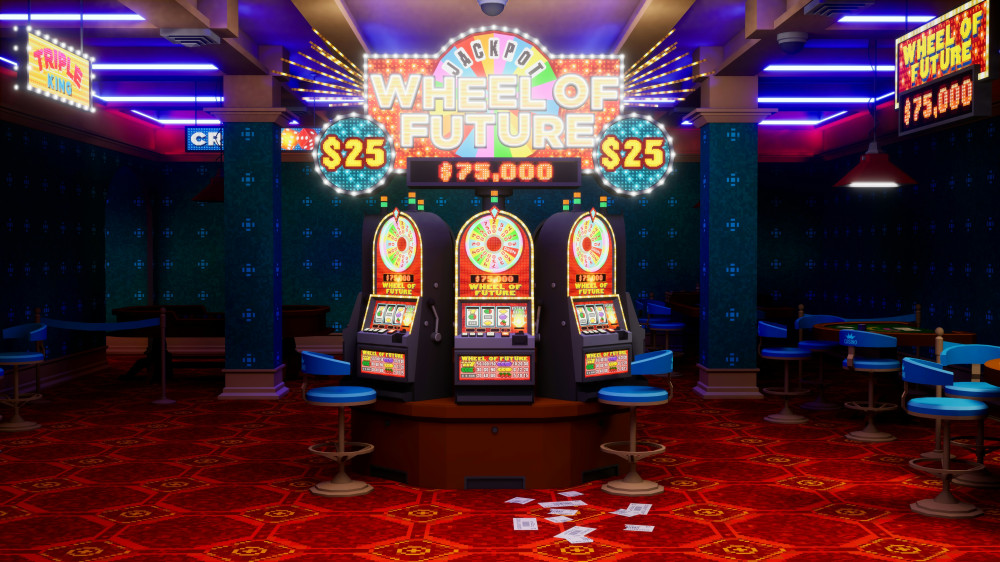
In the mid-1900s, mechanical slot machines—nicknamed “one-armed bandits”—became icons of casino floors. Simple yet addictive, they offered instant gratification and helped define the modern casino experience.
By the 1980s and 1990s, digital technology had transformed these machines. Video slots introduced colorful graphics, sound effects, and themed gameplay, appealing to a broader audience. Casinos could now offer more variety, bonus features, and progressive jackpots, keeping players engaged longer and redefining what a slot machine could be.
The Internet Era: Casinos Go Online
The late 1990s brought the next big leap: online casinos. Suddenly, players could enjoy blackjack, roulette, or slots without leaving home. Early platforms were basic, but they offered something revolutionary—24/7 access to casino entertainment.
At first, many were skeptical about fairness and security. Over time, however, improved encryption, licensing, and regulation helped build trust. Today, online casinos are a multibillion-dollar global industry, with U.S. states like New Jersey, Pennsylvania, and Michigan leading the way in legal, regulated online gaming. Players can now enjoy the same excitement of the casino floor from their living rooms, with real money on the line and real dealers on screen.
Mobile Gaming and Live Casinos: The Modern Era
The rise of smartphones changed everything again. Mobile apps and responsive websites made it possible to play anywhere—on the couch, during a commute, or while waiting in line. Game developers optimized their designs for smaller screens and shorter sessions, creating experiences that are fast, intuitive, and visually engaging.
At the same time, live dealer casinos have reintroduced the human element to online play. Through high-definition video streaming, players can interact with real dealers and other participants, blending the authenticity of a physical casino with the convenience of digital access. It’s a perfect example of how technology can preserve tradition while pushing boundaries.
Læs også:




The Future: Virtual Reality and Responsible Gaming
The next frontier is already taking shape. Virtual reality (VR) and augmented reality (AR) promise to make casino gaming even more immersive. Imagine putting on a VR headset and walking through a digital casino, chatting with other players, and sitting down at a virtual blackjack table—all from your living room.
Alongside innovation comes responsibility. As access to gaming becomes easier, so does the need for safeguards. U.S. operators and regulators are increasingly focused on responsible gaming initiatives, offering tools for self-exclusion, spending limits, and support for those at risk of addiction. The goal is to ensure that the excitement of gaming remains safe and sustainable.
From Chips to Pixels—But the Thrill Remains
Technology has changed nearly every aspect of casino gaming, from the way we play to where we play. Yet the essence remains the same: the thrill of risk, the joy of strategy, and the hope of a win. Whether sitting at a blackjack table in Las Vegas or spinning digital reels on a phone, players are chasing the same timeless feeling.
The evolution of casino gaming is a story of innovation meeting tradition—a journey from felt-covered tables to digital worlds, where the fascination endures, just in new and ever-evolving forms.
Læs også: