The Dream of Winning – and the Joy of Hope Itself
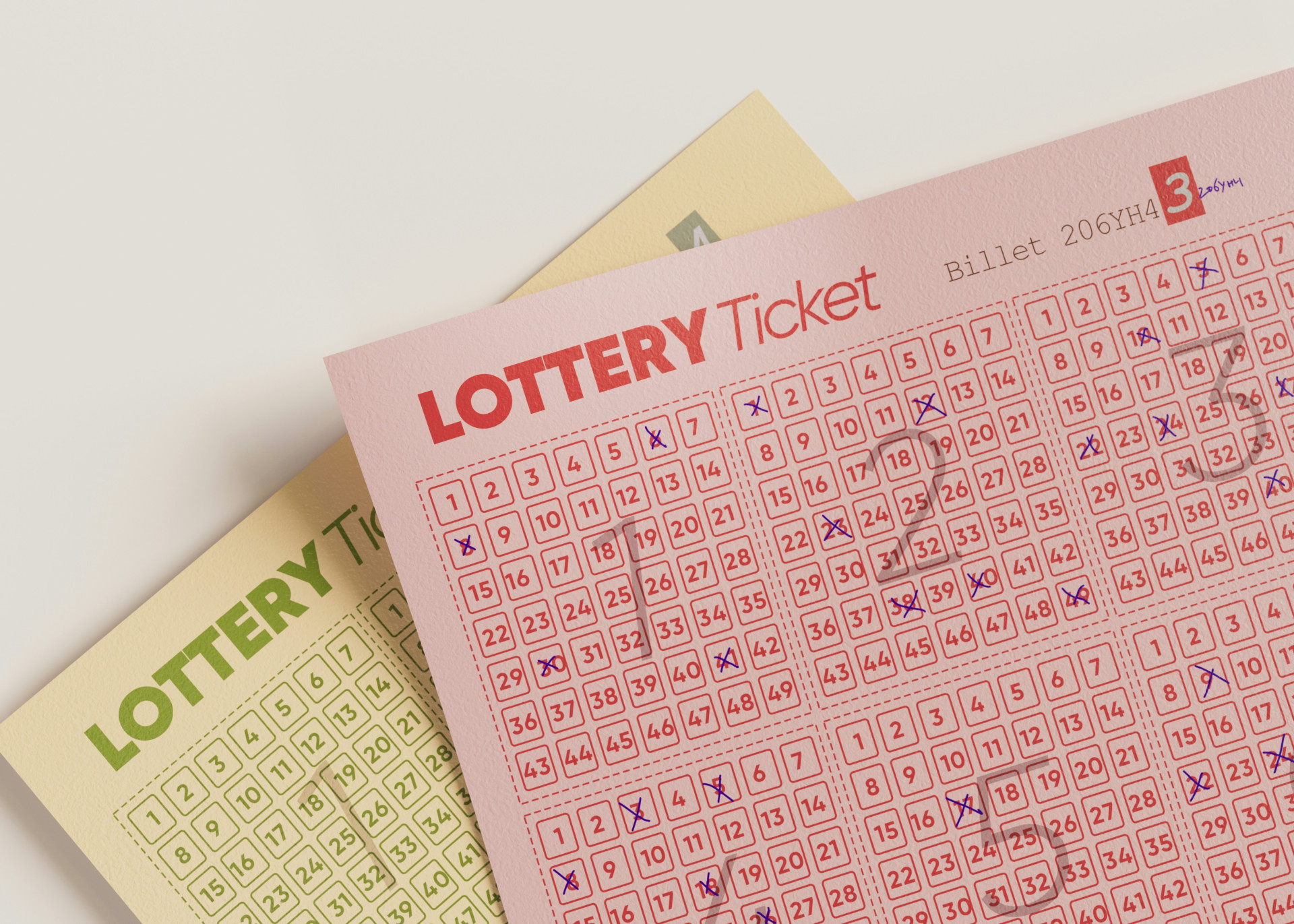
The Dream of Winning – and the Joy of Hope Itself
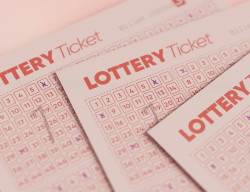
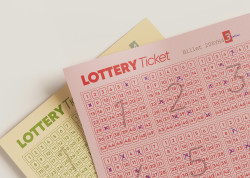
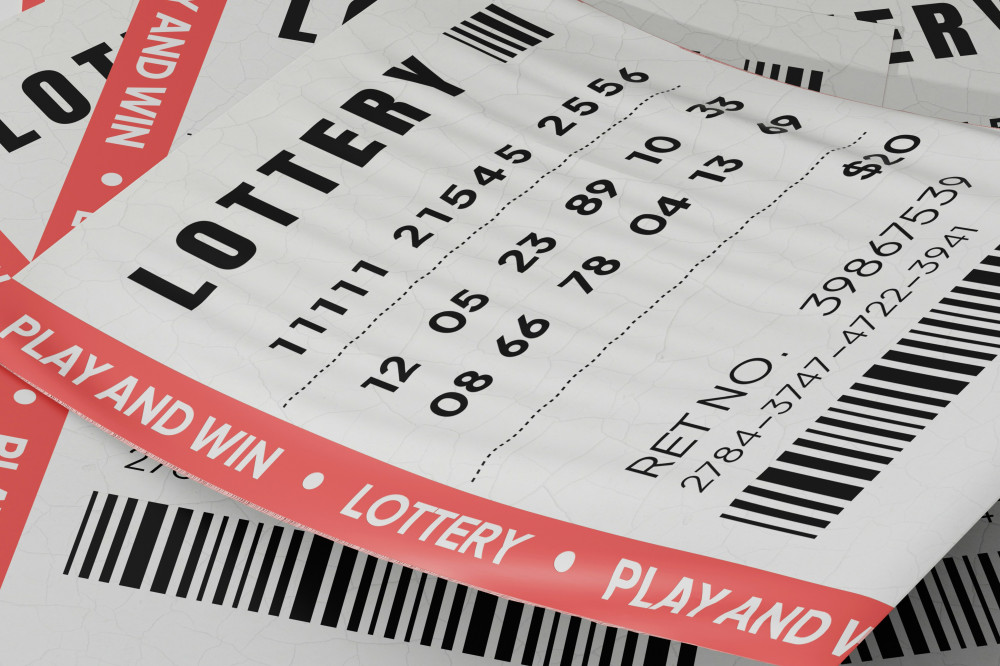
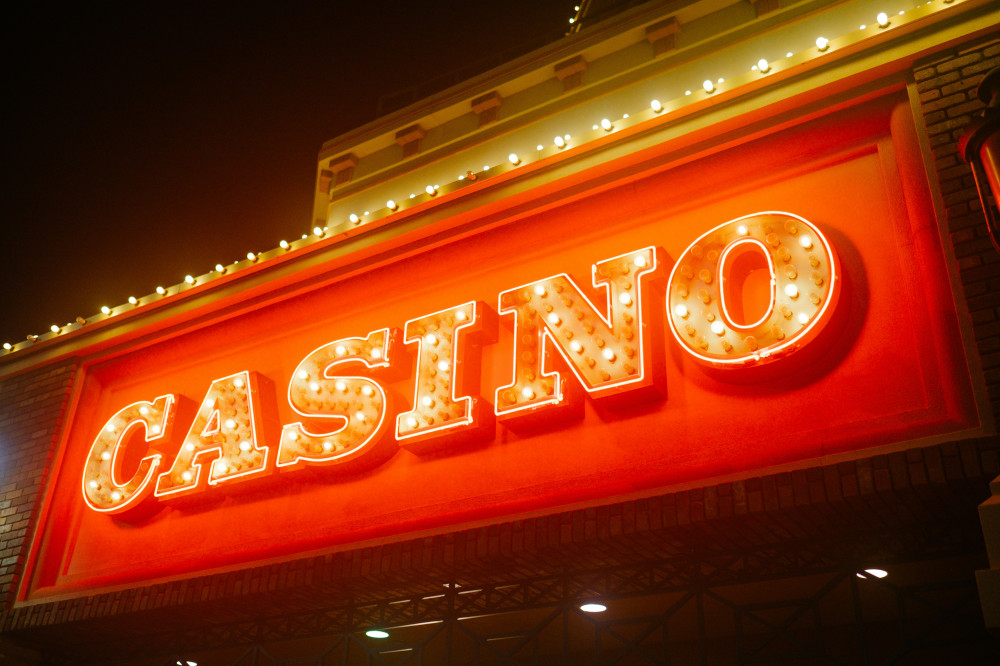
Every week, millions of Americans buy a lottery ticket, place a small bet online, or pick up a scratch-off at the gas station. For most, it’s not just about the money—it’s about the dream. The dream of paying off debts, helping family, traveling the world, or simply gaining a little more freedom. But behind the numbers and odds lies something deeply human: the joy of hope itself.
Hope as Part of Everyday Life
Hoping to win is a small break from reality. It’s a moment when we allow ourselves to imagine that anything is possible. For many, it’s a weekly ritual—a tiny spark of excitement that brightens the routine of everyday life.
Psychologists often point out that hope, in itself, can be healthy. It fuels optimism, motivation, and a sense of possibility, even in uncertain times. When people play, they’re not only chasing money—they’re chasing the feeling that life could suddenly change for the better.
The Human Fascination with Chance
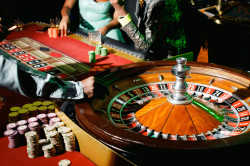
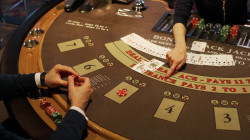
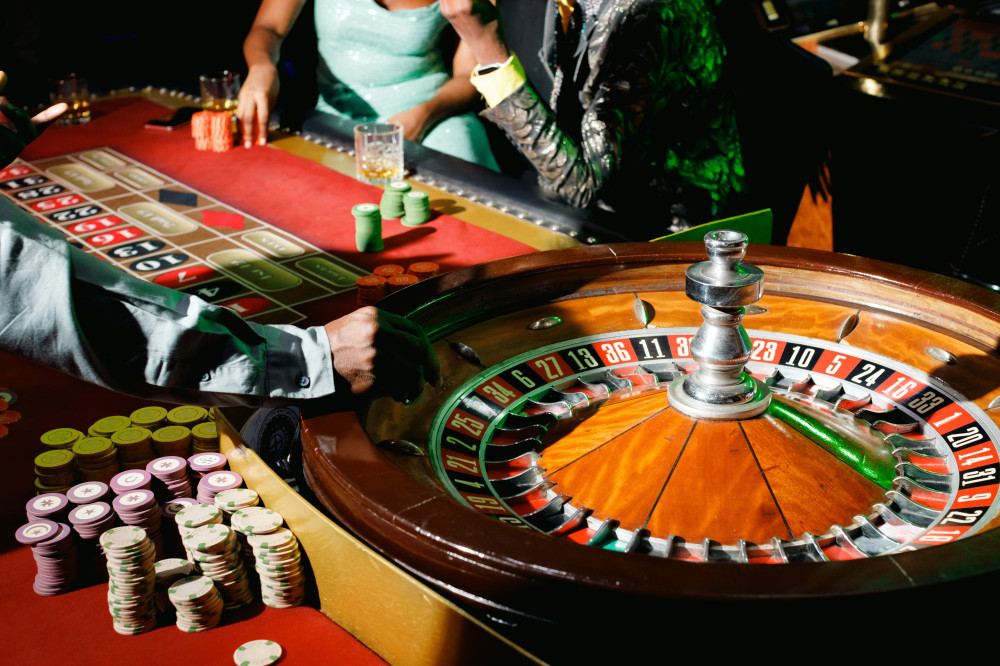
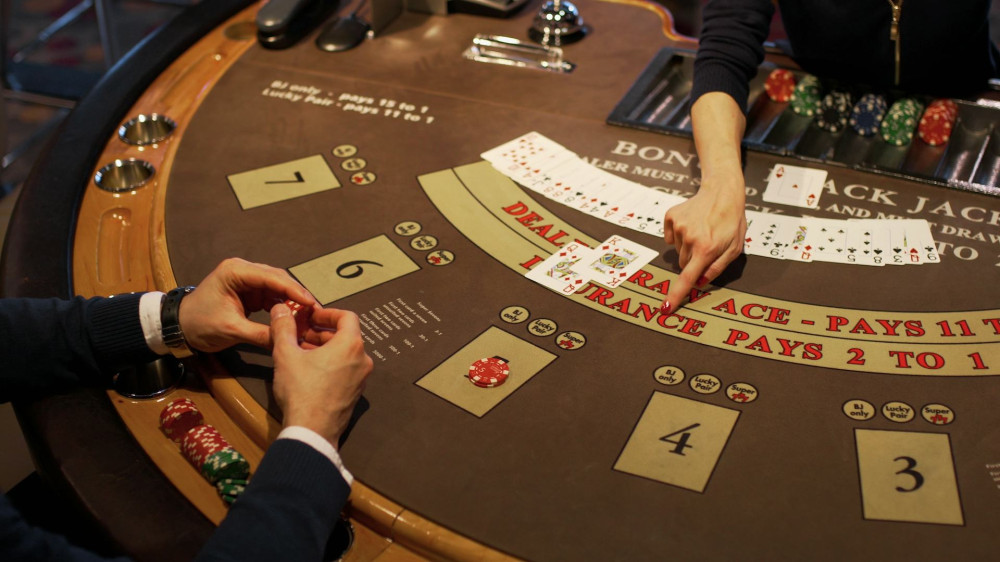
Humans have always been drawn to chance—from ancient dice games to modern lotteries. There’s something fascinating about the idea that fate can turn on a single number or card. It reminds us that life isn’t entirely predictable, and that luck sometimes plays a role.
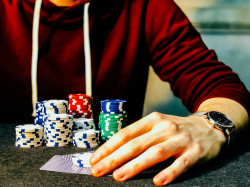
For many, that’s part of the thrill. In a world that often feels carefully planned and controlled, a game of chance offers a safe way to feel risk and excitement. It’s a controlled uncertainty—a way to feel alive without truly endangering anything. The fun lies in that balance: dreaming big while knowing the odds are small.
Læs også:


When the Dream Grows Too Big
Of course, hope can also become a trap. For some, gambling turns from entertainment into escape—a way to avoid problems or chase losses. That’s when the line between dreaming and dependency begins to blur.
That’s why perspective matters. Games of chance should be seen as entertainment, not as a financial plan. Many state lotteries and gaming organizations now promote responsible play, encouraging people to keep the fun in balance with control.
A good question to ask yourself is: would I still play if I knew I couldn’t win? If the answer is yes, then it’s probably about the experience itself—and that means hope is still your friend, not your enemy.
Hope as a Shared Experience
For many Americans, playing the lottery or joining an office pool is also a social event. People share the dream with coworkers, friends, or family. “What would you do if you won?” is a question that sparks laughter and conversation about values, priorities, and life goals. It’s a way to talk about what we long for, without taking it too seriously.
Even when no one wins, something is shared—a smile, a fantasy, a moment of collective hope. And maybe that’s the real prize: the sense of connection and the joy of dreaming together.
The Joy of Hope Itself
In the end, it’s rarely the money that makes the experience meaningful. It’s the feeling of possibility—the reminder that life can still surprise us. Hope is a quiet affirmation that the future isn’t fixed, and that something good might happen when we least expect it.
So the next time you buy a ticket or scratch a card, think of it as more than a game. It’s a small ritual that keeps hope alive—and the joy of that hope may last far longer than any jackpot ever could.
Læs også: