Realistic Thinking: How to Assess Your Actual Chances of Winning


Realistic Thinking: How to Assess Your Actual Chances of Winning
The dream of hitting it big—whether through the lottery, a sweepstakes, or a game show—is deeply human. We imagine what life would look like if we suddenly became millionaires. But how realistic is that dream? And how can you enjoy the excitement of playing without being swept away by unrealistic expectations? Here’s a guide to realistic thinking when it comes to your actual chances of winning.
Why We Overestimate Our Chances
Humans aren’t naturally good at thinking in probabilities. We remember the few who win and forget the millions who don’t. When we see a winner on TV or social media, it suddenly feels possible—like it could just as easily be us. This is called availability bias: we judge how likely something is based on how easily we can recall an example.
Then there’s optimism bias—our tendency to believe that good things happen to us more often than to others. It’s a normal part of human psychology, but it can lead us to overestimate our own odds of winning.
Know the Numbers—and What They Mean
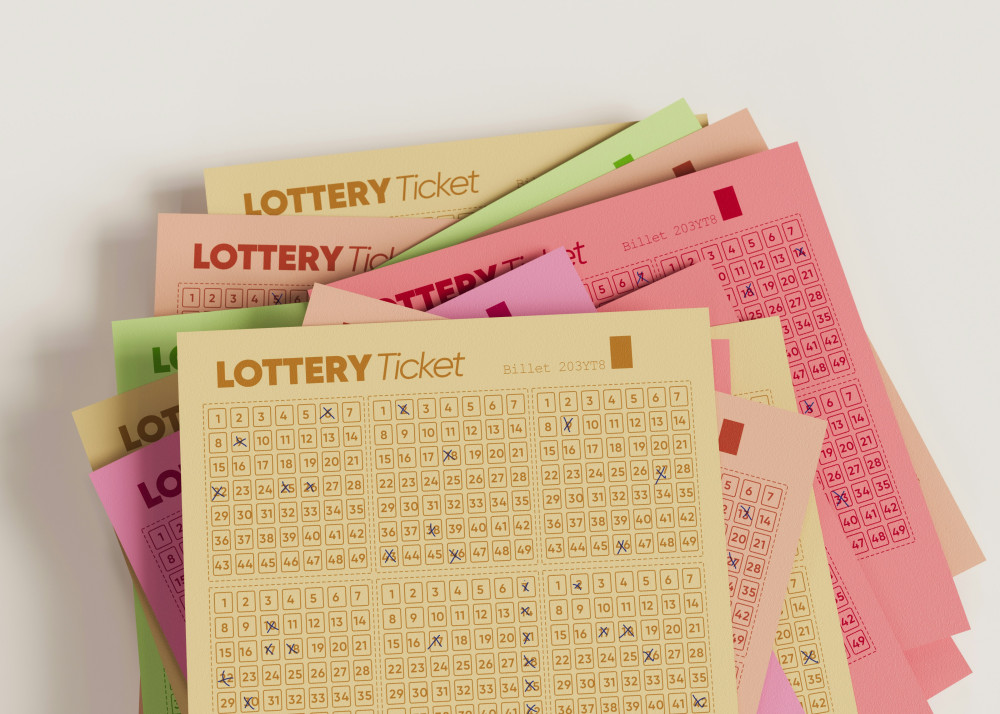
Realistic thinking isn’t about killing the dream; it’s about understanding the facts. In most major U.S. lotteries, the odds of winning the jackpot are astronomically low—often one in hundreds of millions. That doesn’t mean it’s impossible, but it does mean it shouldn’t be part of your financial plan.
A healthy mindset is to treat games of chance as entertainment, not as an investment. If you buy a lottery ticket, do it for the thrill, not because you expect a return. That way, you can enjoy the experience without disappointment.
Set Boundaries for Your Play
Realistic thinking also means knowing your limits. Ask yourself:
- How much am I willing to spend on games each month?
- Would I still play if I never won anything?
- Am I playing for fun—or to solve financial problems?
By setting clear boundaries, you prevent gambling from taking up too much space in your budget or your life. Many people treat it like a small entertainment expense—similar to a movie ticket or a streaming subscription—something that brings a bit of excitement, but not profit.
Læs også:


Learn to Think in Probabilities
A realistic approach requires understanding how probabilities work. For example, if you buy two lottery tickets instead of one, you technically double your chances—but when the odds are one in hundreds of millions, the difference is still negligible.
It helps to compare it to something more tangible: you’re far more likely to be struck by lightning than to win a major jackpot. Putting it in perspective makes it easier to stay grounded.
Keep the Joy—Without the Illusions
Realistic thinking doesn’t mean you have to stop dreaming. In fact, it can make the dream healthier. When you know the odds are tiny, you can enjoy the excitement without setting yourself up for disappointment. It’s about finding the balance between hope and reason.
Many people find that playing as part of an office pool or family group makes it more fun. In that case, it’s less about the prize and more about the shared anticipation and camaraderie.
When the Dream Becomes a Problem
For some, the dream can start to take over. If you find yourself spending more than you can afford, or feeling like you need to win to feel better, it’s time to take a step back. Free and confidential help is available through resources like the National Problem Gambling Helpline (1-800-GAMBLER). Reaching out is a sign of strength, not failure.
Realistic thinking is ultimately about taking responsibility for both your money and your dreams. You’re allowed to hope—but you should also understand what you’re hoping for.
Realism as Freedom
When you understand your actual chances of winning, you become freer. You can play for fun, without pressure. You can dream, without being trapped by illusions. And you can focus your energy on the things that truly increase your odds of a good life—like work, relationships, and experiences you can actually control.
Thinking realistically isn’t giving up. It’s seeing the world as it is—and still finding joy in it.
Læs også: