Physical vs. Online Casinos: How Social Interactions Affect the Gaming Experience


Physical vs. Online Casinos: How Social Interactions Affect the Gaming Experience
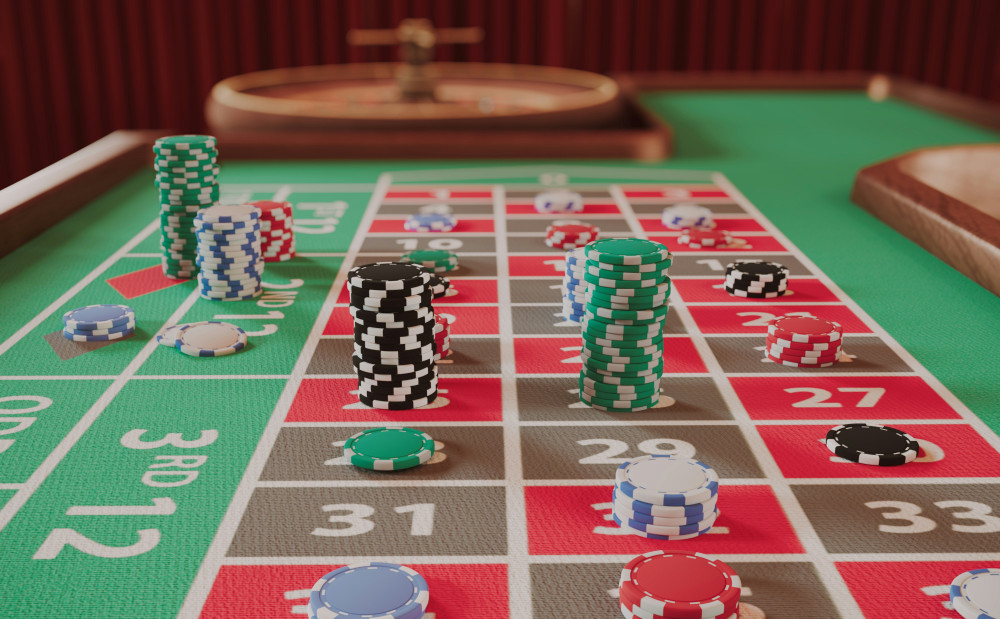
When you walk into a physical casino in Las Vegas or Atlantic City, you’re immediately surrounded by the sounds of slot machines, the chatter of players, and the buzz of excitement in the air. It’s a sensory experience that thrives on human connection. In contrast, online casinos have transformed gambling into a digital pastime—accessible from your couch, your phone, or anywhere with Wi-Fi. But how do social interactions shape the gaming experience? And what do players gain—or lose—when the game moves from the casino floor to the virtual screen?
The Social Dimension of Physical Casinos
A physical casino is more than a place to gamble—it’s a social environment. People from all walks of life gather around tables and machines, and much of the thrill comes from the shared atmosphere.
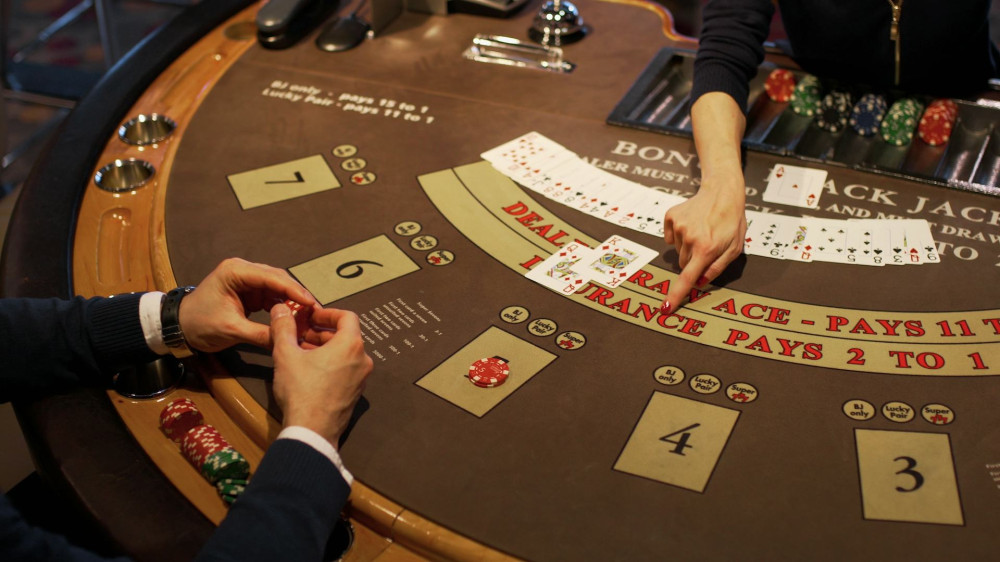
- Community and energy: Sitting at a blackjack or poker table means sharing the highs and lows with others. A big win sparks cheers, while a loss draws sympathetic nods. The collective emotion amplifies the experience.
- Human connection: Dealers, servers, and fellow players all contribute to the sense of camaraderie. Small talk, smiles, and gestures make the experience personal and engaging.
- Ritual and atmosphere: For many, visiting a casino is a night out—dressing up, enjoying a drink, and soaking in the lights and sounds. The social ritual is part of the entertainment itself.
This social element can heighten excitement but also act as a natural check on behavior. When surrounded by others, players are often more aware of their actions and limits.
Online Casinos: Playing on Your Own Terms
Online casinos have revolutionized access to gambling. With just a few clicks, players can join games 24/7 from anywhere. This convenience changes not only how people play but also how they interact.
- Anonymity and control: Many players appreciate the privacy of online gaming. There’s no pressure to perform or socialize, which can make the experience more relaxed.
- Virtual communities: Modern platforms try to recreate social aspects through live dealer games, chat features, and online tournaments where players can interact in real time.
- Speed and accessibility: Online play is fast-paced and flexible. You can switch between games instantly, appealing to those who value efficiency over social engagement.
However, the anonymity of online play can have downsides. Without the social cues and structure of a physical environment, it’s easier to lose track of time or spend more than intended.
Læs også:



Social Interactions and Player Behavior
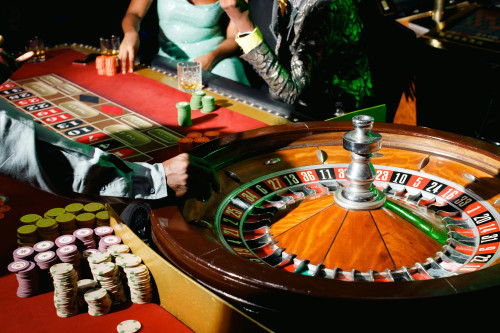
Research on gambling behavior shows that social factors strongly influence how people play. In physical casinos, group dynamics can shape risk-taking—some players become more cautious under observation, while others take bigger chances to impress.
Online, the dynamic shifts. Players often make decisions in isolation, which can lead to more impulsive behavior. Yet, live chat rooms and interactive features can create a sense of “digital sociality,” offering connection even when playing alone.
What It Means for the Experience
Social interaction doesn’t just add company—it changes how we perceive excitement, risk, and reward.
- In physical casinos, the shared energy of the crowd intensifies the thrill.
- Online, the experience is more introspective, focused on personal control and convenience.
For some, the solitude and flexibility of online gaming are exactly what make it appealing. For others, the lack of human contact makes it feel less immersive.
The Future: A Hybrid Experience
The line between physical and online gambling is becoming increasingly blurred. Many casinos now offer live-streamed games hosted by real dealers, allowing players to join remotely. Virtual reality technology is also emerging, promising digital casino environments where players can “walk” around and interact in 3D.
The future of casino entertainment will likely blend the best of both worlds—the social energy of in-person play with the accessibility of online platforms.
A Human-Centered Experience
Whether you prefer the buzz of a casino floor or the comfort of your living room, it’s the social interactions—or their absence—that shape the gaming experience. Gambling isn’t just about winning or losing; it’s about atmosphere, connection, and emotion. In the end, it’s the people—around the table or behind the screen—who bring the game to life.
Læs også: